
Why Chasing “Page Rank” Is a Losing Game in 2026 (And What You Should Do Instead)
The Personalization Reality Check
Google has openly confirmed that it personalizes search results based on a variety of signals. These include:
- Your location (even on desktop)
- Your search history and recent queries
- Language preferences and device type
- Past clicks and interactions with results
- Broader context like time of day or settings
Even without being signed into a Google account, factors like location and recent activity create meaningful differences in what people see. When you're logged in, the effect can be even stronger—your results reflect a profile built from your behavior across Google's ecosystem.
The old PageRank concept—Google's original algorithm for measuring a page's importance based on links—still influences things behind the scenes as part of a much larger system. But the public toolbar is long gone, and the idea of a single, objective score you can track no longer reflects how search actually works for real users.
Chasing a number that shifts depending on who's looking is like trying to hit a moving target while wearing a blindfold.
Why "Ranking #1" Feels Good But Often Means Little
We've all seen the screenshots: "We ranked #1 for 'best coffee makers'!" Great for the ego. But does it drive real business results?
- If the people who actually buy coffee makers never see your page because their search history or location pushes different results, that #1 position is meaningless.
- If your content ranks well for broad, informational queries but fails to match the commercial or transactional intent of real buyers, traffic arrives... and bounces.
- In an era of AI summaries pulling key info directly into the results page, even strong rankings can mean fewer clicks.
Studies and experts have long pointed out that ranking alone doesn't equal leads or revenue. The real goal has always been visibility to the right audience at the right moment.
Shift Your Mindset: Find What Works for Your Audience
Instead of obsessing over rank trackers and position reports, reframe your SEO around these practical principles:
- Prioritize Search Intent Over Keywords
Understand why people search for a topic. Are they learning, comparing options, or ready to buy? Create content that directly satisfies that intent. Intent-aligned pages tend to perform better across varied personalized results because they deliver genuine value. - Build for Real User Experiences
Focus on E-E-A-T (Experience, Expertise, Authoritativeness, Trustworthiness). Produce helpful, original content that earns natural links and shares. Strong, relevant authority signals still matter—personalization doesn't erase quality. - Measure What Actually Moves the Needle
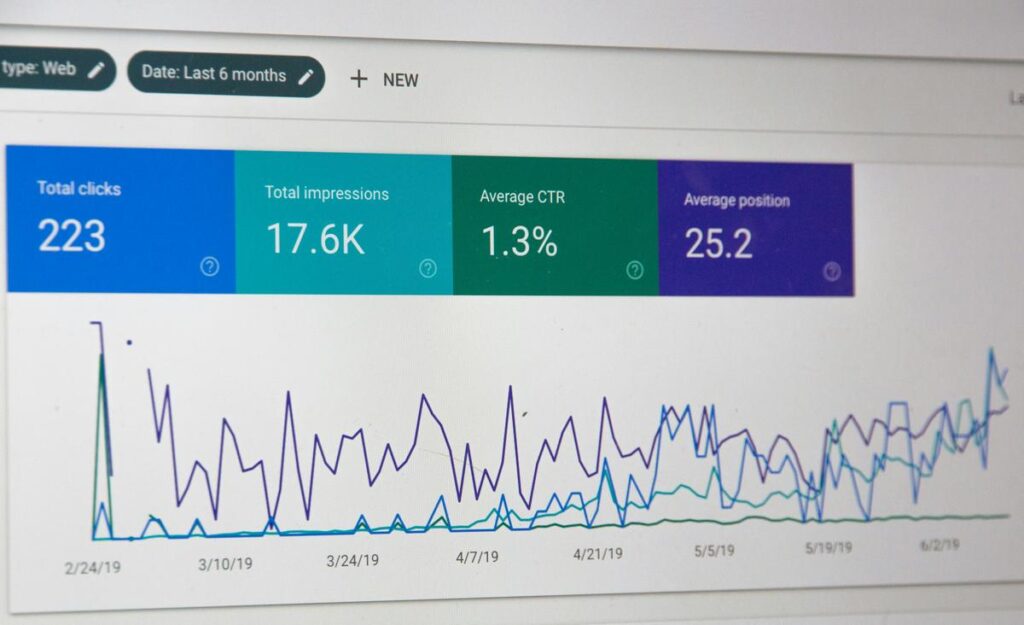
Track organic traffic, qualified sessions, conversions, time on page, and engagement metrics segmented by audience or location where possible. Use tools to monitor impressions and clicks in Google Search Console rather than vanity position numbers. - Optimize for Multiple Contexts
Create content clusters that address different user journeys and scenarios. Make your site technically sound, fast, and mobile-friendly so it performs well regardless of the searcher's device or background. - Test and Learn from Your Own Data
Run your own searches in incognito mode, different locations (via VPN if needed), and logged-out states to see variations. More importantly, analyze your analytics to see which pages attract and convert your visitors.
The winners in 2026 aren't the ones with the best average rank across tools. They're the ones whose content resonates so strongly with their target audience that it surfaces reliably when it matters most.
Stop Chasing Shadows, Start Building Relevance
About The Author